
Dudhwa is a weekend park. It is not so far that you need a week off, and not so close that you can treat it as a day trip. The question most guests ask us on WhatsApp is the same: can we do it in two days, and what does that actually look like? Here is the plan we give them, with the drive, the safaris and the parts people usually get wrong.
- ~7 hrsDelhi NCR by road
- ~4 hrsLucknow by road
- 3-4safaris in a 2-night stay
Two nights, not one
This is the single decision that makes or breaks the trip. A one-night trip from Delhi means you leave at dawn, arrive in the afternoon, do one evening safari, sleep, and drive back. That is fourteen hours of road for one shift in the forest. If the tiger does not show in that one shift, the whole weekend reads as a failure.
Two nights changes the arithmetic. You get an afternoon safari on arrival day, both shifts on the full day, and one more morning before checkout. Four chances instead of one, in the Kishanpur zone, which is the zone of Dudhwa best known for tigers. The drive cost stays the same; only the return goes up.
Drive or overnight train
| Option | Approx. time | Best for |
|---|---|---|
| Own car or cab from Delhi NCR | ~7 hrs | Families and groups who want flexibility on arrival |
| Own car or cab from Lucknow | ~4 hrs | Leave after breakfast, reach for lunch |
| Overnight train to Shahjahanpur Jn + our pickup | Night train + ~2.5-3 hrs | Saving a daylight day; most train choices |
| Overnight train to Bareilly + our pickup | Night train + ~3.5-4 hrs | Arriving fresh for an afternoon safari |
| Flight to Lucknow + our pickup | Flight + ~4 hrs | Guests flying in from other cities |
Times are approximate, to DTR Jungle Hideaways at the Kishanpur Zone gate. Full routes and road steps: Delhi to Dudhwa and Lucknow to Dudhwa.
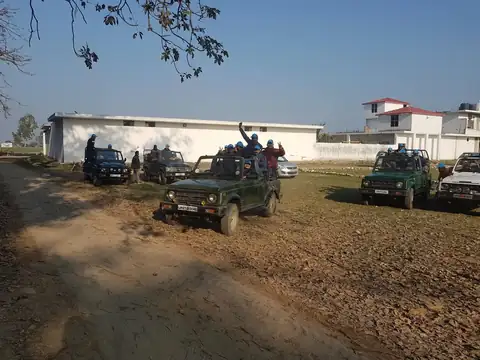
If you drive from Delhi: start by 5-6 am. NH9 is mostly four-lane to Bareilly; after that you are on quieter district roads via Puranpur, Khuttar, Mailani and Bhira, and you want that last stretch in daylight. Breakfast at Gajraula, fuel and lunch before leaving Bareilly.
If you take the train: this is the option more Delhi guests should use. Board Friday night on the Delhi-Moradabad-Bareilly-Lucknow line, sleep, and our car meets you at Shahjahanpur or Bareilly in the morning. You are at the resort by late morning and into an afternoon safari the same day, with no driving fatigue. Check current timings on IRCTC or NTES, then send us the train and arrival time.
Day 1: arrival and first safari
- By 1:00 pm — reach the resort, check in, lunch. ID proof for every adult is needed at check-in and for the forest permit.
- 2:15 pm — tea, then the jeep. The Kishanpur gate is 2-3 minutes away, so there is no rushed drive.
- 2:30 pm to sunset — afternoon safari in Kishanpur. This first shift is for getting your eye in: the road network, Jhadi Tal, the deer herds.
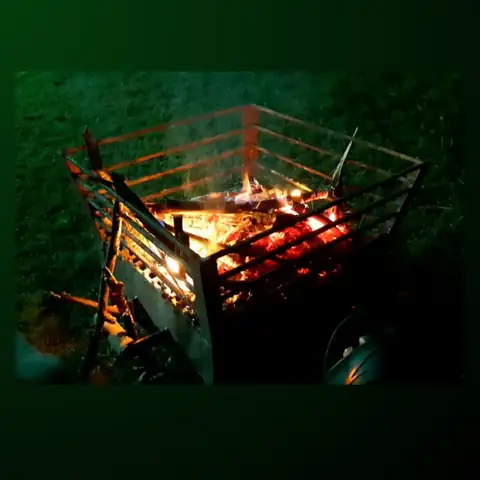
- Evening — bonfire and dinner. Early night; tomorrow starts before sunrise.
Winter safari shifts are 6:00-10:00 am and 2:30 pm to sunset. In summer they move to 5:00-9:30 am and 3:00 pm to sunset.
Day 2: the full jungle day
This is the day you came for. Both shifts, with the middle of the day to recover.
- 5:30 am — tea at the resort. You are at the gate before it opens.
- 6:00-10:00 am — morning safari in Kishanpur. Spend real time at Jhadi Tal with the engine off rather than covering distance. This is statistically your best shift of the trip.
- 10:30 am — breakfast back at the resort.
- Midday — rest. If you are a birder, the resort garden and the farmland edge are good for an unhurried walk that needs no permit.
- 2:30 pm to sunset — second Kishanpur safari, or swap this for the Rhino Area in Dudhwa Zone 1 (about 35-40 minutes away) if one-horned rhino is on your list. Afternoon rides there are by vehicle and carry an extra fee on a first-come basis, so reach early.
- Evening — dinner and bonfire.
Day 3: last safari and checkout
- 6:00-10:00 am — one more Kishanpur morning. Many of our guests' best sightings come on this shift, when they have stopped expecting it.
- 10:30 am — breakfast, pack, check out.
- Before noon — start back. From Lucknow you are home by evening; from Delhi plan for a late evening arrival, or take an afternoon train from Shahjahanpur.
If you have a third night
A third night opens up what a two-day trip cannot hold:
- Katarniaghat — the Gerwa river, Gangetic dolphins and gharials, about 2-2.5 hours each way. A full day, which is exactly why it does not fit a two-day plan.
- Dudhwa Zone 1 — denser sal forest, elephant herds and the Rhino Area, without giving up a Kishanpur shift.
- A slow birding morning — UP Ecotourism lists about 450 bird species for the reserve, and November to February is the window.
Five mistakes to avoid
- Booking one night. Covered above, and still the most common one.
- Arriving after dark. The last stretch past Mailani is a quiet district road. Leaving Delhi at 9 am instead of 5 am is how a seven-hour drive becomes a night arrival and a missed afternoon safari.
- Not booking the permit in advance. Safari slots are limited and the holiday weeks fill first: Christmas to New Year, long weekends, school holidays and Holi week. Book those three to four weeks ahead.
- Squeezing in Katarniaghat. It costs you two Kishanpur shifts to see a river you will enjoy more on a longer trip.
- Staying far from the gate. A 30-60 minute pre-dawn drive from Palia or Lakhimpur is why people quietly skip their morning safari. From our resort the gate is 2-3 minutes.
What to carry
Winter mornings in an open jeep are far colder than the daytime temperature suggests, and that catches most first-timers out. Layers, a cap, gloves and something to cut the wind matter more than anything else in the bag. Binoculars change the trip more than an extra lens does. The full list, season by season, is in what to pack for a Dudhwa safari.
Carry original ID for every adult, cash for small spends past Lakhimpur or Bareilly, and download offline maps; the signal is patchy near the forest.
Also read: Kishanpur Wildlife Sanctuary guide | Dudhwa safari season 2026-27 | Corbett vs Dudhwa
